What the India–New Zealand FTA signed on 27 April 2026 gives Indian exporters and importers, what India excluded, and how to prepare for entry into force.
Law as last checked on 28 April 2026. Notifications change; confirm the current text before acting.
Agreement not yet in force
Signed on 27 April 2026 and pending ratification. Preferential treatment applies only from entry into force.
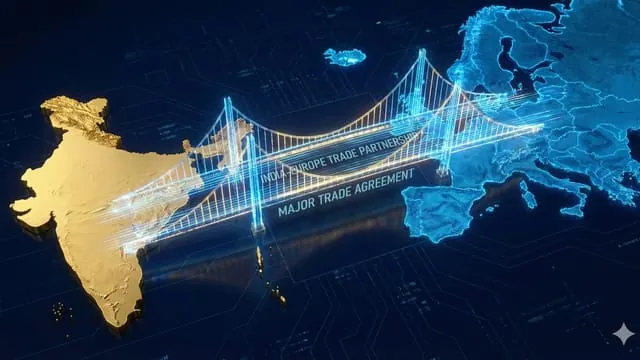
India and New Zealand signed their Free Trade Agreement on 27 April 2026 at Bharat Mandapam, New Delhi, nine months after negotiations began in March 2025. The agreement now goes to ratification in both countries; preferential treatment begins only on entry into force. This article summarises what each side gave, what India kept out, and what an Indian exporter or importer should prepare.
What Indian exporters get
New Zealand eliminates tariffs on all Indian goods on the day the agreement enters into force. The lines that benefit most are those where New Zealand applied its highest rates, up to 10%: textiles, apparel and home furnishings; leather and footwear; gems and jewellery; engineering goods, machinery and auto components; processed foods including fruit, spices, cereals, coffee and cocoa; pharmaceuticals and medical devices; chemicals, plastics, rubber and electronics.
Two non-tariff outcomes matter as much. New Zealand will accept GMP and GCP inspection reports from comparable regulators, including the US FDA, EMA, UK MHRA and Health Canada, removing duplicate inspection for Indian pharmaceutical exporters. And the trade facilitation chapter commits to release of standard cargo within 48 hours and perishables and express consignments within 24, with advance rulings, single-window procedures, AEO recognition and a choice between a certificate of origin and self-declaration by approved exporters.
Wine, pharmaceuticals, polymers, aluminium, iron and steel articles
Tariff-rate quotas
0.06%
Manuka honey, apples, kiwifruit, albumins
Excluded
30%
See below
India also secured duty-free import of wood logs, coking coal and metal scrap from New Zealand, inputs for Indian manufacturing.
What India excluded
Dairy in all forms; onions, chana, peas, corn, almonds and coffee; sugar and artificial honey; animal, vegetable and microbial fats and oils; gems and jewellery as an import category; copper and aluminium articles; arms and ammunition. On dairy, India agreed only to consult New Zealand if it ever offers dairy access to a comparable economy.
The agricultural quotas
Product
Quota and in-quota duty
Minimum import price
Apples (50% MFN)
32,500 MT in year 1 rising to 45,000 MT in year 6 at 25%; window 1 April to 31 August
USD 1.25/kg
Kiwifruit (33% MFN)
6,250 MT rising to 15,000 MT at 0%; window 1 April to 15 October
USD 1.80/kg
Manuka honey (66% MFN)
200 MT a year at a 75% tariff reduction phased over 5 years
USD 20/kg in-quota, USD 30/kg out-of-quota
Albumins (22% MFN)
1,000 MT rising to 3,000 MT at 11%
A Joint Agriculture Productivity Council will monitor delivery against agreed productivity action plans. Importers of these products should note that quota administration, the seasonal windows and the minimum import prices will be set out in India's implementing notifications.
Export manufacturing fast-track
For the first time in an Indian FTA, the agreement provides a fast-track for duty-free import of New Zealand inputs used in manufacture for export. The mechanism will operate through India's export-manufacturing frameworks, and SEZ and EOU units, particularly in food processing, should watch for the implementing procedure.
Services, mobility and investment
Services access in 118 sectors, including computer, professional, telecommunications, construction, education, environmental and financial services, with most-favoured-nation treatment in 139 sub-sectors and automatic extension of any better access New Zealand gives another partner.
A Temporary Employment Entry visa with a quota of 5,000 at any time, valid up to three years, covering IT, engineering, healthcare, education and construction as well as AYUSH practitioners, yoga instructors, Indian chefs and music teachers.
A student and post-study work pathway with no numerical cap: 20 hours a week of work during study, post-study work of up to three years for STEM graduates and four for doctoral scholars, and 1,000 working-holiday visas a year.
A New Zealand commitment to facilitate USD 20 billion of private investment into India over 15 years, with an investment desk and a rebalancing clause for shortfalls.
A commitment to amend New Zealand's geographical-indications law within 18 months to allow registration of goods other than wines and spirits, and a dedicated chapter on AYUSH and traditional medicine services.
Rules of origin
Preference depends on product-specific rules requiring substantial transformation in India, with listed non-qualifying operations, a time-bound verification mechanism and provision for denial or temporary suspension. An exporter claiming preference must be able to prove origin for each consignment with supplier declarations and costed bills of material, and should expect verification to arrive after the goods have been sold.
What to do before entry into force
Classify your exports and imports under the agreement's schedules and quantify the duty change line by line.
Test each exported product against its product-specific origin rule and fix the bill of materials where it fails.
If you are an SEZ or EOU processing New Zealand inputs, track the fast-track implementing procedure.
If you import apples, kiwifruit, honey or albumins, plan for quota administration and minimum import prices.
If you export pharmaceuticals, assemble your comparable-regulator inspection reports for the New Zealand filing.
In short
The India–New Zealand FTA was signed on 27 April 2026 and awaits ratification in both countries. No preference is available until it enters into force.
New Zealand eliminates tariffs on all Indian goods on the day of entry into force. India liberalises about 70% of its tariff lines, covering about 95% of bilateral trade by value, with 30% of lines excluded.
India excluded dairy, several agricultural commodities, sugar, edible oils, gems and jewellery as an import category, copper and aluminium articles and arms. Apples, kiwifruit, manuka honey and albumins enter under tariff-rate quotas with minimum import prices.
The agreement includes a fast-track for duty-free import of New Zealand inputs for export manufacturing, services access in 118 sectors, a temporary employment visa quota and a student pathway, and a NZ commitment to facilitate USD 20 billion of investment over 15 years.
Questions we are asked about this
Our goods already enter New Zealand at a low tariff. Does the FTA matter?
New Zealand's applied tariffs are low but not zero; peaks of up to 10% applied on lines including textiles, apparel, footwear and some processed foods. Those go to zero on entry into force for goods that meet origin. The trade facilitation and regulatory commitments, such as acceptance of comparable regulators' GMP inspections for pharmaceuticals, may matter more than the duty for some exporters.
What is the fast-track for export manufacturing?
A provision allowing Indian manufacturers to import inputs from New Zealand duty-free when the output is exported. Its operation will be through India's existing export-manufacturing frameworks, and SEZ and EOU units sourcing agricultural or other inputs from New Zealand should watch the implementing procedure.
How strict are the rules of origin?
The agreement provides product-specific rules requiring substantial transformation in India, with non-qualifying operations listed, a time-bound verification mechanism and provision for denial or suspension of preference. Exporters should expect verification and keep costed bills of material and supplier declarations for each consignment.
Primary sources
The instruments this article relies on. Links go to the issuing authority; search the document number there for the text in force.