Law as last checked on 27 January 2026. Notifications change; confirm the current text before acting.
Agreement not yet in force
Concluded but pending ratification. Preferential rates apply only once the agreement enters into force.
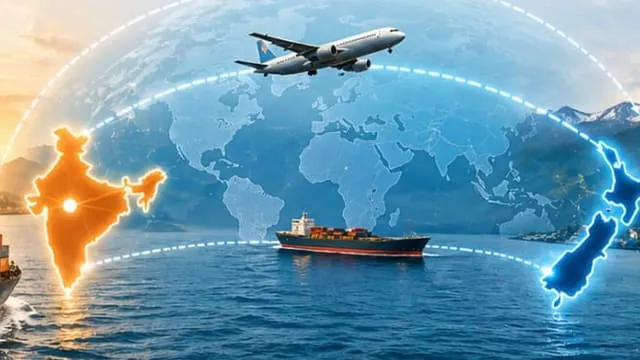
In January 2026 India and the European Union announced the conclusion of negotiations on their Free Trade Agreement. It had been in and out of negotiation since 2007, and its size, the EU being India's largest trading partner for goods, explains the attention. The agreement is concluded, not in force. This article separates what is known from what is expected, and sets out what an Indian exporter or an EU investor should do in the period before preferences become available.
Status
Conclusion of negotiations is followed by legal scrubbing of the text, translation, signature, and ratification on both sides, on the EU side involving the Council and the European Parliament. Entry into force is expected in 2027. Until then no preferential tariff is available under the agreement, and no origin claim can be made on its basis.
The GSP gap
The EU's Generalised Scheme of Preferences ceased to apply to India from 1 January 2026. Goods that entered the EU at reduced GSP rates, in textiles, chemicals, engineering goods and others, now pay the EU's most-favoured-nation tariff and will continue to until the FTA takes effect. The gap is a year or more. For exporters in the affected lines it is a direct cost increase with no remedy except price, efficiency, or the use of India's own duty-saving schemes, MOOWR, EOU, SEZ and Advance Authorisation, to reduce input cost.
What the agreement is reported to contain
elimination of duties on more than 90% of industrial goods traded between the two sides, phased on sensitive lines;
for India: reduced duties on EU automobiles, wines and spirits, with the reductions staged and subject to quotas on some lines;
for EU markets: zero-duty access for Indian textiles, leather, footwear, gems and jewellery, among others;
exclusion of agriculture and dairy from India's commitments;
services commitments in telecommunications, transport and professional services, with mobility provisions;
an investment protection component negotiated alongside the trade agreement.
Each of these is a summary of a negotiating outcome. The tariff schedules, staging categories and product-specific rules of origin are in annexes that only the final legal text will settle. Plan on the basis of the summaries; commit on the basis of the text.
What an exporter should do now
Map your products to the EU tariff. For each HS line you export, record the current MFN duty, the former GSP rate, and the expected FTA treatment when the schedule is published. That table is your pricing conversation with EU buyers.
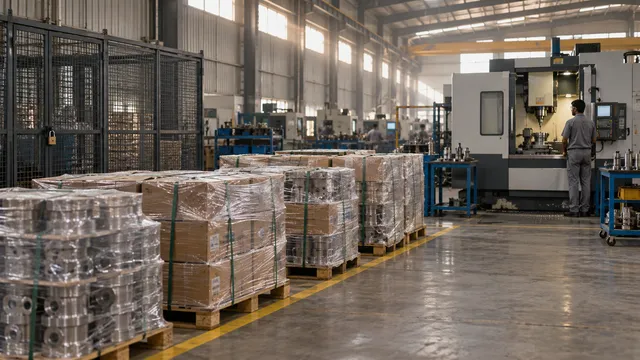
Prepare for origin. FTA preferences depend on product-specific rules, typically a change in tariff classification, a regional value content, or a specified process. Identify which rule will apply to each product and whether your bill of materials meets it. Non-originating inputs are the usual failure.
Build the records. Origin claims are verified after the fact, sometimes years later. Supplier declarations, costed bills of material and production records must exist for each consignment that claims preference.
Use the domestic schemes in the gap. A MOOWR licence, an EOU approval or an Advance Authorisation reduces the duty cost of imported inputs now, whatever the FTA later does.
Prepare for the CBAM in parallel if your goods are covered; the FTA does not displace it.
What an EU investor should take from it
The agreement improves the case for manufacturing in India for the EU market and for India's own: lower duties on EU machinery and components into India, and preferential access back into the EU for goods that meet origin. The regulatory choices on the ground are unchanged. An EU company setting up in India still chooses between an SEZ unit, an EOU, a MOOWR licence and a domestic company on the basis of where it will sell and what it will import, and still structures its capital and payments under FEMA. The FTA adds certainty on tariffs and, once in force, treaty protection; it does not simplify the entry.
In short
India and the European Union concluded negotiations on their Free Trade Agreement in January 2026. Legal scrubbing and ratification follow; entry into force is expected in 2027.
The EU's Generalised Scheme of Preferences stopped applying to India on 1 January 2026, so Indian exports now face the EU's standard tariff until the FTA takes effect.
The agreement is reported to remove duties on more than 90% of industrial goods, with reductions on EU cars, wines and spirits into India, and exclusions for agriculture and dairy. The final text is what counts.
An exporter's work in the gap is origin readiness: knowing which products will qualify, under which rule, and with what records, on the first day of preferences.
Questions we are asked about this
When can we claim preferential duty in the EU?
Only from the date the agreement enters into force, and only for goods that meet its rules of origin with the proof of origin it prescribes. Until then the standard EU tariff applies. Shipments in transit on the entry-into-force date are usually covered by a transitional provision; check the final text.
Does the FTA help with the CBAM?
Not directly. The EU's Carbon Border Adjustment Mechanism is a separate regulation that applies to covered goods regardless of origin preferences. An exporter of steel, aluminium, cement, fertiliser or similar goods must prepare for both.
We are an EU company considering an Indian plant. What changes?
The agreement is reported to include an investment protection component and to cut duties on EU machinery and components into India. Structurally, the choice between an SEZ, an EOU, MOOWR and a domestic company is unchanged, and should be made on your sales mix and import content rather than on the FTA.
Primary sources
The instruments this article relies on. Links go to the issuing authority; search the document number there for the text in force.